
Air Jordan Shoes Breakdown: High-Top vs Low-Top Silhouettes
Deciding between high-top and low-top Air Jordan kicks is one of the most widespread decisions experienced by sneaker enthusiasts in 2026. Both cuts hold decades of basketball history and streetwear credibility, yet they address markedly different needs on and off the court. High-tops shaped Michael Jordan’s career, offering the ankle protection that allowed him rule the NBA through six championship-winning campaigns. Low-tops, meanwhile, developed into a lifestyle-forward variant that focuses on unrestricted movement and seasonal flexibility. Learning the true differences between these two formats can protect you from regret and enable you to create a more diverse collection. In this analysis, we explore performance, everyday comfort, fashion, and pricing so you can arrive at a smart decision on your next pair of Air Jordans.
The History Behind Both Silhouettes
When Peter Moore created the first Air Jordan 1 in 1985, high-top design was the absolute norm for basketball shoes. The tall collar hugged Michael Jordan’s ankle area and became an signature aesthetic detail that Nike marketed aggressively during the “Banned” marketing campaign. It was not until the Air Jordan 11 Low launched in 1996 that Jordan Brand seriously ventured into the low-top construction for a numbered shoe. That debut showed that collectors would embrace a shortened version of an already popular shoe, opening the floodgates for low-profile editions of practically every numbered Jordan. By the mid-2000s, low-cut Jordans had turned into a summertime classic, routinely being snapped up alongside their high-cut siblings. Currently in 2026, Jordan Brand drops nearly similar quantities of high-top and low-top editions each season, indicating equal market demand across both silhouettes.
Joint Support and Athletic Performance
High-top Air Jordans reach 2 to 3 inches above the ankle bone, establishing a secure collar that restricts lateral movement during explosive movements and jumps. Models like the Air Jordan 1 High and Air Jordan 12 use cushioned collars combined with rigid heel counters to stabilize the ankle and foot during intense competition. According to a 2024 report published in the British Journal of Sports Medicine, high-top basketball website shoes cut the rate of ankle injuries by approximately 28 percent compared to low-top options in amateur athletes. Low-top Jordans, such as the Jordan 1 Low and Jordan 11 Low, trade off some of that ankle support in return for reduced weight — typically cutting 50 to 80 grams per shoe. For casual ballers who run casual games once or twice a week, that weight reduction leads to improved agility and reduced fatigue over prolonged play. The compromise is genuine, though: if you have a history of ankle injuries, a high-top model with tight lacing remains the safer option for any basketball play.
Daily Comfort
Away from the hardwood, ease concerns are completely different, and low-top models frequently take the lead. The reduced collar height eliminates the discomfort that high-tops can produce against the Achilles tendon during long walks. Many sneaker owners find that low-top Jordans feel comfortable after just two or three uses, while high-tops may take five to seven sessions before the ankle cushioning fully molds. Sole technology stays the same across both heights — the Air Jordan 1 features the same Air sole unit regardless of height, and the Jordan 11 maintains its full-length Air unit in both versions. Temperature is another relevant factor: low-top versions permit significantly more airflow around the joint, making them the preferred option for spring and summer when foot temperature grows into an issue. For the cooler seasons or extended periods of standing, the warmth provided by a high-top collar can actually be an advantage, trapping warmth contained around the ankle area.
Style and Outfit Versatility
From a fashion perspective, high-top Air Jordans demand interest and serve as a standout element in any ensemble. The Air Jordan 1 High, in colorways like Chicago, Bred, and Royal, consistently places among the most snapped kicks on Instagram and TikTok, accumulating millions of hashtag mentions on Instagram alone. High-top models work best alongside slim-fit or tapered trousers, joggers, and athletic shorts that enable the full silhouette to be shown off — hiding a high-top under baggy denim undermines its design intent. Jordan Lows, on the other hand, offer a sleeker silhouette that blends effortlessly with a wider range of fits, like regular-fit jeans, casual trousers, and even dressed-up trousers. Trendsetting sneaker enthusiasts in 2026 regularly style Jordan Lows as a versatile option that connects casual and semi-formal wardrobes. The styling flexibility offers low-tops a modest edge for buyers who desire a one pair to work across various settings throughout the week.
Color and Material Considerations
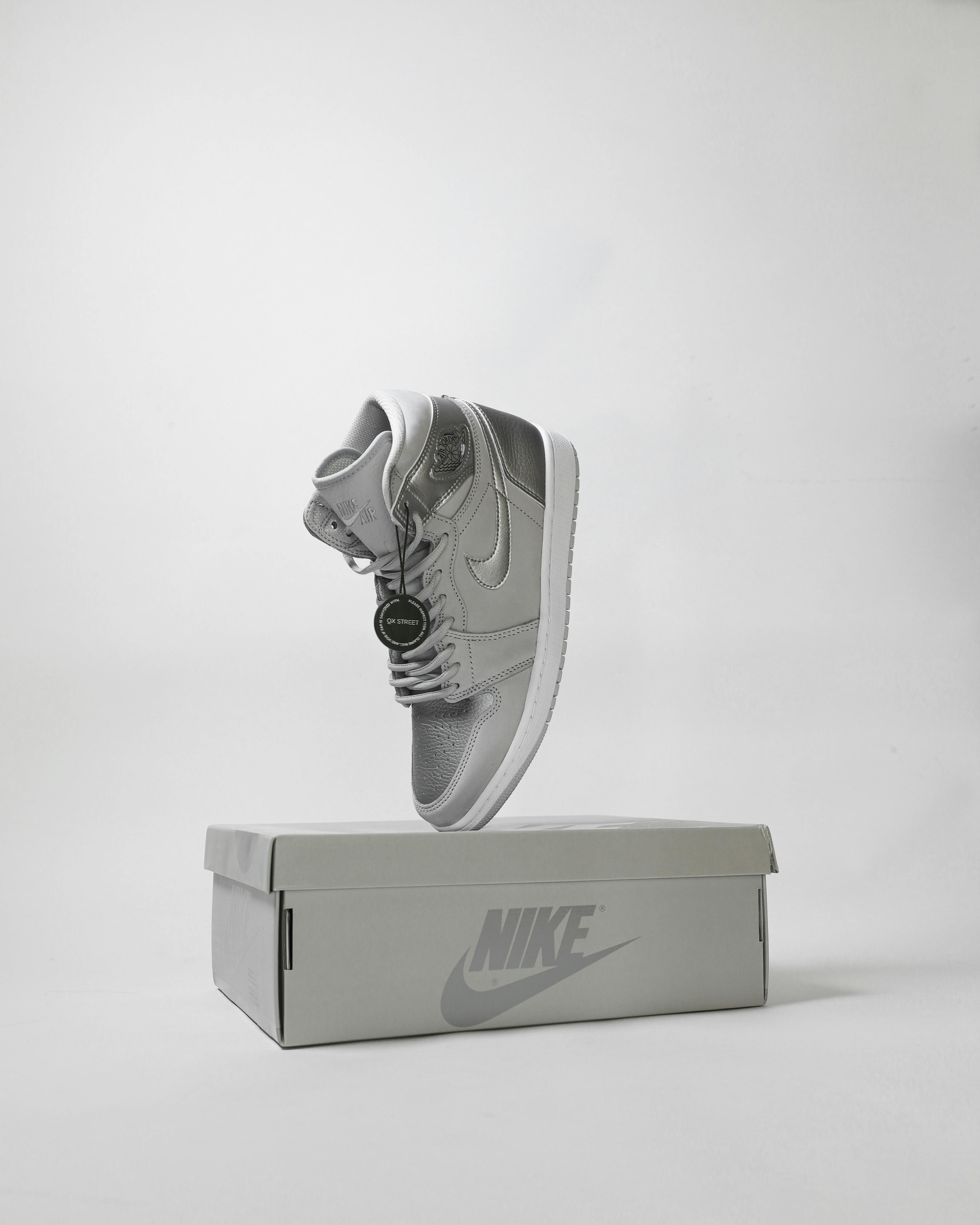
High-top Air Jordans usually boast more canvas, which lets design teams to incorporate multi-color blocking and complementary textures across the shoe’s upper. This additional surface area is why famous editions like the Jordan 1 High “Union LA” and “Travis Scott” collabs appear so design-dense — there is literally more surface area to work with. Jordan Lows reduce that same design language into a tighter canvas, which can either look cleaner or appear cluttered depending on the color combination. Leather, nubuck, suede, and patent leather all show up across both formats, though luxury fabrics commonly feature more frequently in high-top limited editions. In terms of longevity, the extra fabric on a high-top means somewhat greater coverage against scratches around the ankle region. Purchasers focused on protecting their Jordans fresh for years commonly lean toward high-tops for this pragmatic factor alone.
High-Top vs Low-Top: Comprehensive Face-Off
| Category | High-Top Air Jordans | Low-Top Air Jordans |
|---|---|---|
| Ankle Support | Excellent — wraps above ankle bone | Limited — ends below the ankle |
| Weight per Shoe | 400–500 g per shoe | 340–420 g per shoe |
| Optimal Season | Fall / Winter | Spring / Summer |
| Fashion Versatility | Streetwear, athletic | Streetwear, casual, semi-formal |
| Break-In Time | 5–7 wears | 2–3 wears |
| Resale Markup | Generally higher | Middling |
| Airflow | Average | Strong |
| Standard Retail Price | $170–$200 | $130–$170 |
Secondary Market Value and Collectibility
In the resale space, high-top Air Jordans have consistently earned steeper premiums than their low-cut counterparts. Data from StockX reveals that the Air Jordan 1 High OG records a 40 to 60 percent premium over retail price in in-demand colorways, while the Jordan 1 Low OG generally records a 15 to 30 percent markup. Ultra-limited high-tops, notably those tied to collaborations with designers like Virgil Abloh or Travis Scott, have climbed to aftermarket values surpassing $2,000 in brand-new condition. Jordan Lows are starting to bridge that divide, however, as Jordan Brand focuses more intensely in special low-top drops geared toward fashion-focused buyers. The Travis Scott x Air Jordan 1 Low Reverse Mocha, for instance, traded at well over $1,500 on secondary markets throughout 2023 and 2024. For sneakerheads interested in long-term investment, high-cut Jordans persist as the more secure investment, but the low-cut segment is maturing rapidly and deserves attention.
What Should You Buy?
Your choice ultimately depends on how and where you expect to wear your Air Jordans. If basketball performance is important to you — even casually — the support benefits of a high-top are undeniable, and the added ankle support can stop sprains that would bench you for weeks. For casual everyday styling across varied settings, a low-top Air Jordan provides unparalleled range, lighter weight, and an easier break-in process that fits right into a hectic routine. Price-sensitive buyers will also enjoy that low-tops generally cost $20 to $40 below their high-top versions, making the most of your footwear budget more. Ideally, a balanced lineup contains at least one of each: a high-top for making a statement and fall and winter, and a low-top for casual spring and summer styling. Evaluate your present clothing collection, assess your physical activity, and consider your local climate before pulling the trigger. Whichever format you choose, you are acquiring a model supported by over 40 years of sneaker innovation from Jordan Brand.
Final Verdict
The high-top versus low-top debate has no single correct answer because both styles shine in different situations. High-top Air Jordans provide excellent joint protection, stronger aftermarket values, and a more dramatic visual presence that owns streetwear photography and sneaker culture events. Low-top Air Jordans counter with reduced weight, quicker break-in periods, more expansive wardrobe flexibility, and a more accessible cost for new enthusiasts. In 2026, Jordan Brand persists in evolve across both formats, introducing new cushioning technology and recycled materials that elevate both variants year over year. The most strategic method is to consider each launch on its unique qualities rather than using a universal rule for one style over the other. Whether you rock high-tops for a weekend convention or step into a low-top pair for a warm-weather gathering, the Jumpman logo on your foot bears the same historic prestige.